
 Back to List
Active Principle: All parts especially seeds: coniine, conhydrine and other piperidine alkaloids
Wink, M. (2009). Mode of Action and toxicology of plant toxins and poisonous plants. Mitt. Julius Kuhn-Inst. 421:93-111. page 100
Class 1a. Extremely hazardous: strong neurotoxin at acetylcholine receptors, causes mental confusion, burning sensation in mouth and throat, vomiting, paralysis of muscles, low temperature, loss of sensations, convulsions, death through respiratory arrest
Wink, M. (2009). Mode of Action and toxicology of plant toxins and poisonous plants. Mitt. Julius Kuhn-Inst. 421:93-111. page 100
Socrates died as a result of drinking this. In the middle of the 19th century, physicians experimented extensively with hemlock as a medication, including using it to control hyperactive children. In 1845, a Scottish tailor died, from paralysis of his respiratory muscles in three and a quarter hours, after heating a hemlock sandwich prepared by his children who thought they had collected wild parsley. This is a suitable cautionary tale to warn of the dangers of eating any wild herb unless one is really an expert in taxonomy. Of all the Umbelliferae (now called Apiaceae) hemlock is the most poisonous.
Oakeley, Dr. H. F. . (2013). The Gardens of the Pharmacopoeia Londinensis. Link
Toxic; coniine etc alkaloids.
Professor Anthony Dayan, 2021
Cicuta (in Pharmacopoeia Londinensis), Hemlock and Cicuta in Culpeper 1649, Conio in Fuchs (1551)
HISTORICAL ** Beck's translation (2005) of Dioscorides (70 AD) Materia Medica: Deadly (antidote is rough wine), sap dried and applied topically is good for shingles, erysipelas, stops nocturnal seminal emissions, relaxes genitalia, dries up milk, keep young breasts small, and make boys testicles wither.
Beck, Lily. (2005). Pedanius Dioscorides of Anarzarbus de Materia Medica. New York, Hildesheim, Zurich: Olms-Weidmann..
HISTORICAL ** Bentley (1861) Manual of Botany Poisonous. Used for relaxing spasm (no mention of asthma).
Bentley, Robert. (1861). A Manual of Botany including the ... uses of the plants. John Churchill, London.
HISTORICAL ** Remington, J. (1894) Practice of Pharmacy – “used as an antispasmodic”
Remington, Joseph P. (1894) The Practice of Pharmacy. A Treatise on the modes of making and dispensing official, unofficial, and extemporaneous preparations, with descriptions of their properties, uses and doses. Burroughs Wellcome & Co.
HISTORICAL ** Lindley, John (1838) Flora Medica: ‘a powerful narcotico-acrid plant, occasioning stupor, delirium, palsy and asphyxia ... death in the most dreadful convulsions’. Recommended for cancer, scrophula, syphilis, dropsy, epilepsy, as an anodyne etc. ‘Stated by Aretaeus to be anti-aphrodisiac, by Stoerck and Bergius to be the reverse’.
Lindley, John. (1838). Flora Medica, Longman, Orme, Brown, Green & Longmans
HISTORICAL ** Barton, BH and Castle T. (1877), The British Flora Medica: ‘occasionally prescribed on account of its sedative action on the motor nerves’ – otherwise several accounts of mode of death by ingestion.
Barton, B H, Castle, T (1877) The British Flora Medica. Chatto and Windus
HISTORICAL ** Martindale (1936) Extra Pharmacopoeia: “Conium and conine hydrobromide [these are chemicals from Conium maculatum] act as direct sedatives to the respiratory centre; in poisonous doses death is caused by asphyxia. Employed with advantage in all spasmodic affections especially for whooping cough and asthma; in neuralgia, epilepsy and as a sedative in acute mania”
Martindale, . (1936). Martindale. The Extra Pharmacopoeia. London, Pharmaceutical Press.
HISTORICAL ** Gerard, J (Johnson edition 1633) The Herball. Notes that it is very poisonous ‘therefore not to be applied outwardly, much lesse taken inwardly into the body’.
Gerard, J. (1975). The Herbal or General History of Plants. New York: Fascimile Dover Publications Inc .
HISTORICAL ** Quincy (1718) Dispensatory – Poisonous, lots of fatalities, no mention of asthma.
Quincy, John. (1718). Pharmacopoeia Officinalis and Extemporanea or a Compleat English Dispensatory. London, A. Bell and others.
HISTORICAL ** Fuchs (1551) De Historia Stirpium: uses as noted by Dioscorides
Fuchs, L. (1551). De Historia Stirpium. Lugduni, Apud Balthazarem Arnolletum.
HISTORICAL ** Pharmacopoeia Augustana (1564 - FIRST EDITION) – an ingredient in Unguentum Jovis for inflammation, hot swellings and scrotal inflammation; and in Oleum Mandragorae with mandragora; hyoscyamus, papaver somniferum, opium and violets – for treating inflammation, for inducing sleep, sedating headaches, mania, fevers, and more
Occo III, Adolph. (1927). Pharmacopoeia Augustana, A facsimile of the first edition of 1564. State Historical Society of Wisconsin, Masdison.
HISTORICAL ** Duncan, Andrew (1819) The Edinburgh New Dispensatory: ‘a virulent poison’ (with lurid descriptions of mode of death) ‘recommended by some in chincough [= whooping cough] and various other diseases.’
Duncan, A (1819) The Edinburgh New Dispensatory. Bell and Bradfute
HISTORICAL ** Paris, J.A. Pharmacologia (1831): Dr John Davy notes that mixed with Henbane it is ‘palliative for cough and pulmonary irritation.’ ‘A valuable sedative’ also in measles and pneumonia.
Paris, JA. (1831). Pharmacologia . New York, Collins and Hannay, Collins & Co..
HISTORICAL ** Linnaeus (1782) Materia Medica p. 87-88: Narcotic, diuretic, for suppuration, scars, scrofula, carcinoma, ulcers, Scabies, gonorrhoea, Leucorrhoea, Atecnia
Linnaeus, Carl. (1782). Materia Medica (Facsimile Nabu Public Domain Reprints2011). Lipsiae et Erlangae apud Wolfgangum Waltherum.
HISTORICAL ** James, R. (1752) Pharmacopoeia Universalis: used externally for hardness of liver and spleen; with milk for piles; with crushed snails, for inflammations of the testicles, for gout, sciatica. For scirrhous tumours.
James, R. (1752). Pharmacopoeia Universalis or a New Universal Dispensatory 2nd edit.,. London, J. Hodges.
HISTORICAL ** Garrod, AB (1834). The Essentials of Materia Medica and Therapeutics: notes that the vapour of heated conine (from hemlock, Conium maculatum) has been used to relieve cough including whooping cough (pertussis) and that its chief effect is on paralysis of voluntary muscles, similar to curare, and causes death by asphyxia. Further information given on the effects of methylconine
Garrod, A.B.. (1834). The Essentials of Materia Medica and Therapeutics . Longmans Green & Co, London.
Todd in Martindale (1964) Extra Pharmacopoeia quoting the British Pharmaceutical codex for 1936: ‘It has been used in chorea, mania, paralysis agitans, and spasmodic affections, such as whooping cough and asthma. It is very poisonous.’
Todd, RG. (1964). Extra Pharmacopoeia. Martindale. The Pharmaceutical Press. p.1516
HISTORICAL ** Macer Floridus de Viribus herbarum (c. 1300 – translation by G. Frisk, 1949) p. 133, follows Dioscorides – poisonous. Applied topically is good for Erysipelas, for the eyes, for keeping young breasts small, as an anti-aphrodisiac, and for skin inflammations.
Frisk, G. (1949). A Middle English Translation of Macer Floridus de Viribus Herbarum. Almquist & Wiksells Boktryckeri AB, Uppsala.
HISTORICAL ** Culpeper (1649) A Physical Directory – Poisonous. Topically for priapism, shingles, erysipelas, ulcers and gout.
Culpeper, N. (1649). A Physicall Directory, or, a translation of the London Dispensatory made by the Colledge of Physicians.... London, Peter Cole/EEBO Proquest facsimile.
Restricted medicinal.
Historical review: Names used: Conium maculatum, Hemlock, Cicuta, Conio. ** Beck's translation (2005) of Dioscorides (70 AD) Materia Medica: Deadly (antidote is rough wine), sap dried and applied topically is good for shingles, erysipelas, stops nocturnal seminal emissions, relaxes genitalia, dries up milk, keep young breasts small, and make boys testicles wither. ** Not in Tacuinum Sanitatis (circa 1300) ** Physicians of Myddfai (c. 1300) – no entry ** Macer Floridus de Viribus herbarum (c. 1300 – translation by G. Frisk, 1949) p. 133, follows Dioscorides – poisonous. Applied topically is good for Erysipelas, for the eyes, for keeping young breasts small, as an anti-aphrodisiac, and for skin inflammations. ** Cordus, Valerius (1546) Dispensatorium – no entry ** William Turner (1551) A New Herball uses as noted by Dioscorides. ** Fuchs (1551) De Historia Stirpium uses as noted by Dioscorides. ** Pharmacopoeia Augustana (1564) – an ingredient in Unguentum Jovis for inflammation, hot swellings and scrotal inflammation; and in Oleum Mandragorae with mandragora; hyoscyamus, papaver somniferum, opium and violets – for treating inflammation, for inducing sleep, sedating headaches, mania, fevers, and more. ** Gerard, J (Johnson edition 1633) The Herball. Notes that it is very poisonous ‘therefore not to be applied outwardly, much lesse taken inwardly into the body’. ** Culpeper (1649) A Physical Directory – Poisonous. Topically for priapism, shingles, erysipelas, ulcers and gout.
Oakeley, Dr. Henry F. (2014). Conium maculatum, Hemlock, Cicuta, Conio. Link
Historical Review - 2 **** ** Quincy (1718) Dispensatory – Poisonous, lots of fatalities, no mention of asthma. ** James, R. (1752) Pharmacopoeia Universalis used externally for hardness of liver and spleen; with milk for piles; with crushed snails, for inflammations of the testicles, for gout, sciatica. For scirrhous tumours. ** Linnaeus (1782) Materia Medica p. 87-88. Narcotic, diuretic, for suppuration, scars, scrofula, carcinoma, ulcers, Scabies, gonorrhoea, Leucorrhoea, Atecnia. ** Duncan, Andrew (1819) The Edinburgh New Dispensatory ‘a virulent poison’ (with lurid descriptions of mode of death) ‘recommended by some in chincough [= whooping cough] and various other diseases.’ ** Paris, J.A. Pharmacologia (1831) Dr John Davy notes that mixed with Henbane it is ‘palliative for cough and pulmonary irritation.’ ‘A valuable sedative’ also in measles and pneumonia. ** Garrod, AB (1834). The Essentials of Materia Medica and Therapeutics notes that the vapour of heated conine (from hemlock, Conium maculatum) has been used to relieve cough including whooping cough (pertussis) and that its chief effect is on paralysis of voluntary muscles, similar to curare, and causes death by asphyxia. Further information given on the effects of methyl conine. ** Lindley, John (1838) Flora Medica ‘a powerful narcotico-acrid plant, occasioning stupor, delirium, palsy and asphyxia ... death in the most dreadful convulsions’. Recommended for cancer, scrophula, syphilis, dropsy, epilepsy, as an anodyne etc. ‘Stated by Aretaeus to be anti-aphrodisiac, by Stoerck and Bergius to be the reverse’. ** Bentley (1861) Manual of Botany Poisonous. Used for relaxing spasm (no mention of asthma). ** Barton, BH and Castle T. (1877), The British Flora Medica ‘occasionally prescribed on account of its sedative action on the motor nerves’ – otherwise several accounts of mode of death by ingestion. ** Fluckiger and Hanbury (1879) Pharmacographia – describes it but gives no uses. ** Remington, J. (1894) Practice of Pharmacy – “used as an antispasmodic”. ** Martindale (1936) Extra Pharmacopoeia one sees the following: “Conium and conine hydrobromide [these are chemicals from Conium maculatum] act as direct sedatives to the respiratory centre; in poisonous doses death is caused by asphyxia. Employed with advantage in all spasmodic affections especially for whooping cough and asthma; in neuralgia, epilepsy and as a sedative in acute mania”. ** Martindale (1964) Extra Pharmacopoeia quoting the British Pharmaceutical codex for 1936 ‘It has been used in chorea, mania, paralysis agitans, and spasmodic affections, such as whooping cough and asthma. It is very poisonous.’ ** British Pharmacopoeia (2014) – no entry.
Oakeley, Dr. Henry F. (2014). Conium maculatum, Hemlock, Cicuta, Conio. Link
Africa, Northeast Tropical Africa, Ethiopia
Africa, Northern Africa, Algeria
Africa, Northern Africa, Morocco
Africa, Northern Africa, Tunisia
Asia-Temperate, Caucasus, Transcaucasus
Asia-Temperate, Caucasus, North Caucasus
Asia-Temperate, Middle Asia, Kazakhstan
Asia-Temperate, Middle Asia, Kyrgyzstan
Asia-Temperate, Middle Asia, Tadzhikistan
Asia-Temperate, Middle Asia, Turkmenistan
Asia-Temperate, Middle Asia, Uzbekistan
Asia-Temperate, Siberia
Asia-Temperate, Western Asia
Asia-Temperate, Western Asia, Afghanistan
Asia-Temperate, Western Asia, Iran
Asia-Temperate, Western Asia, Iraq
Asia-Temperate, Western Asia, Israel
Asia-Temperate, Western Asia, Jordan
Asia-Temperate, Western Asia, Lebanon-Syria
Asia-Temperate, Western Asia, Turkey
Asia-Tropical, Indian Subcontinent, Pakistan
Asia-Tropical, Indian Subcontinent, India
Europe, Eastern Europe, Baltic States
Europe, Eastern Europe, South European Russia
Europe, Eastern Europe, Northwest European Russia
Europe, Eastern Europe, Ukraine
Europe, Middle Europe, Austria
Europe, Middle Europe, Belgium
Europe, Middle Europe, Germany
Europe, Middle Europe, Hungary
Europe, Middle Europe, Netherlands
Europe, Middle Europe, Poland
Europe, Middle Europe, Slovakia
Europe, Middle Europe, Switzerland
Europe, Northern Europe, Denmark
Europe, Northern Europe, Finland
Europe, Northern Europe, Great Britain
Europe, Northern Europe, Ireland
Europe, Northern Europe, Norway
Europe, Northern Europe, Sweden
Europe, Southeastern Europe, Albania
Europe, Southeastern Europe, Bosnia and Herzegovina
Europe, Southeastern Europe, Bulgaria
Europe, Southeastern Europe, Czech Republic
Europe, Southeastern Europe, Greece
Europe, Southeastern Europe, Italy
Europe, Southeastern Europe, Romania
Europe, Southeastern Europe, Yugoslavia
Europe, Southwestern Europe, France
Europe, Southwestern Europe, Portugal
Europe, Southwestern Europe, Spain
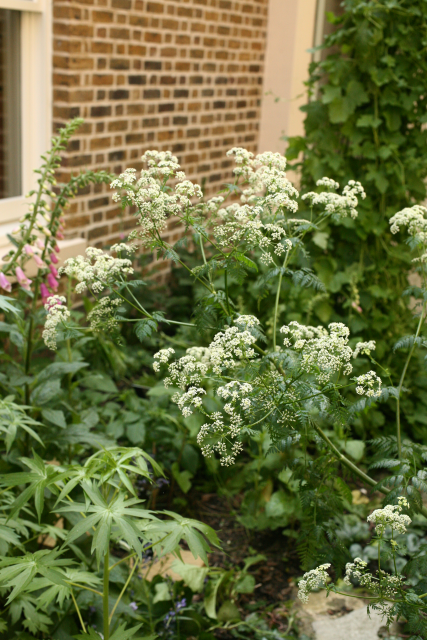
.JPG)
.JPG)