
 Back to List
Tumor
Germplasm Resources Information Network (GRIN) at www.ars-grin.gov/cgi-bin/npgs/html/tax_search.pl
Extracts of butterbur used for a variety of conditions such as spasms of the urogenital and digestive tracts, asthma, migraines, and allergic rhinitis. Commercially available in a variety of forms (e.g., capsules, extracts, powders, tinctures, and softgels) and marketed in the U.S as a dietary supplement.
National Toxicology Program (Nov.2009)Chemical Information Review Document for Butterbur (petasites hybridus, ext.). U.S. Department of Health and Human Services. http://ntp-server.niehs.nih.gov/NTP/Noms/Support_Docs/Butterbur_nov2009.pdf
Used as an anticonvulsive since the Middle Ages. Active principle Petasin, a terpene discovered in the 1950's. Also used as a febrifuge.
Mabberley, D.J. (1997) The Plant Book, ed.2, Cambridge University Press p.554
Culpeper: “The roots are ... exceeding good in violent and pestilential fevers, they provoke the terms, expel poison, and kill worms.”
Culpeper, Nicholas. (1650). A Physical Directory . London, Peter Cole.
In a trial aimed at reducing frequency of migraine attacks, a standardised commercial preparation was well tolerated, and was effective at higher doses, but placebo in this trial reduced migraines by over 50% in 49% of the patients
Neurology (2004) 63:2240-2244
Reported adverse side effects of butterbur consumption include headaches, drowsiness, constipation, gastrointestinal upset, hair loss, reversible cholestatic hepatitis, depression, and skin discoloration. One report suggests that butterbur may increase liver enzyme levels. Several reports describe the removal of a product in Switzerland due to the development of severe liver damage. Butterbur may exacerbate the therapeutic and adverse effects produced by anticholinergic drugs and herbs.
National Toxicology Program (Nov.2009)Chemical Information Review Document for Butterbur (petasites hybridus, ext.). U.S. Department of Health and Human Services. http://ntp-server.niehs.nih.gov/NTP/Noms/Support_Docs/Butterbur_nov2009.pdf
Petasites hybridus – butterbur: a curious remedy for a curious disorder Butterbur or bog rhubarb grows in Europe and north-west Asia. Dioscorides recommended the ground-up leaves, applied as a poultice, as a topical treatment for ‘malignant and cancerous ulcers’. Lyte regarded it as an exceptional medicine against plague as it caused sweating, and that it was also good for treating intestinal worms and for the ‘suffocation and strangling of the mother’. In this latter curious phrase ‘mother’ means ‘womb’, and refers to mental disorders in women, which were thought to be due to disorders of the womb, in particular the then current concept that the womb wandered about the body and had to be brought back to its correct position by aromatic pessaries. We still use the word ‘hysterical’ for types of mental illness, not realising that it too stems from the curious idea that it was similarly caused, for the word comes from ‘husterikos’, the Greek for the womb. Modern herbalists recommend Petasites for a wide range of therapies, but caution that it contains potentially toxic alkaloids so internal use is not advised.
Oakeley, Dr. Henry. (2011). A Year in the Medicinal Garden of the Royal College of Physicians, revised edition. Royal College of Physicians, London. Link
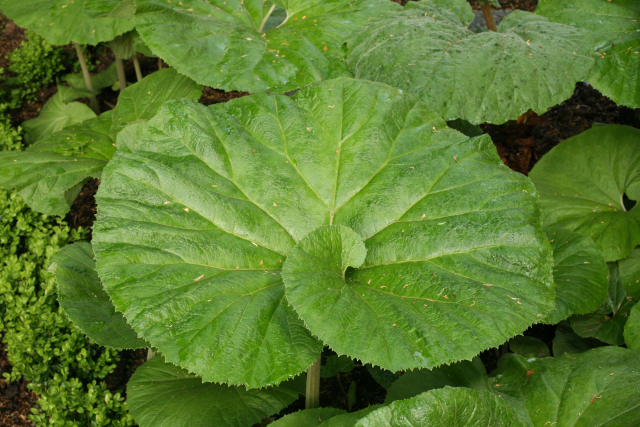
The Greek name, from petasos, a hat with a broad brim; with reference to the large leaves.
Stearn, W.T. (1996). Dictionary of Plant Names for Gardeners. Cassell. p.236
Other Common names = BOG RHUBARB; CLEATS; CLEETS; FLEA DOCK; GALLON; OXWORT; PESTILENCE WORT; POISON RHUBARB; SON-BEFORE-THE-FATHER; UMBRELLA LEAF; WATER DOCKEN
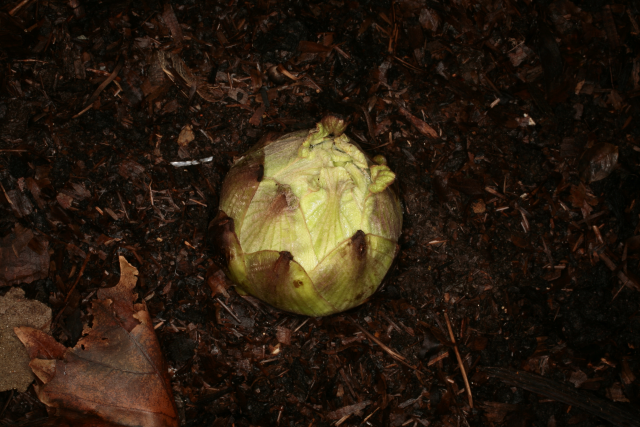
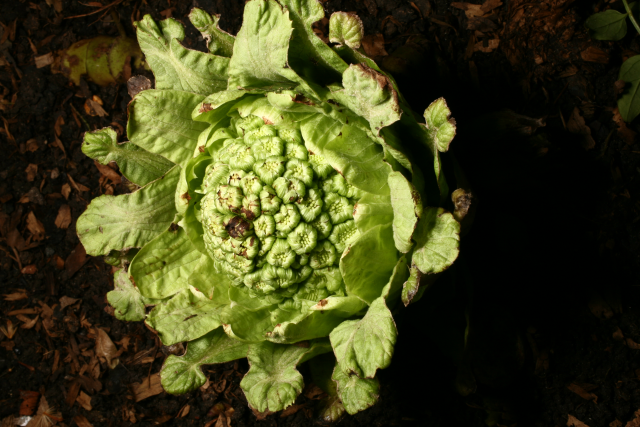
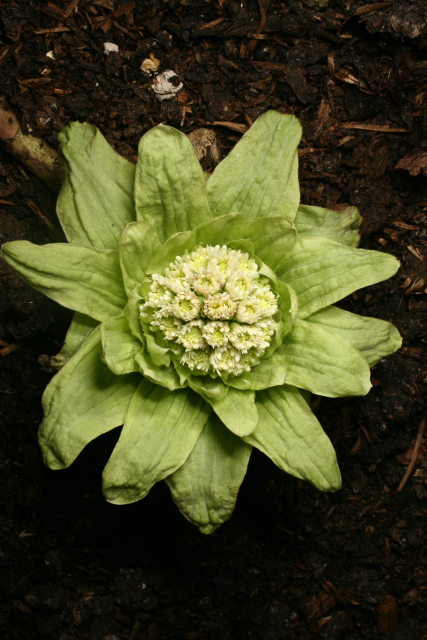
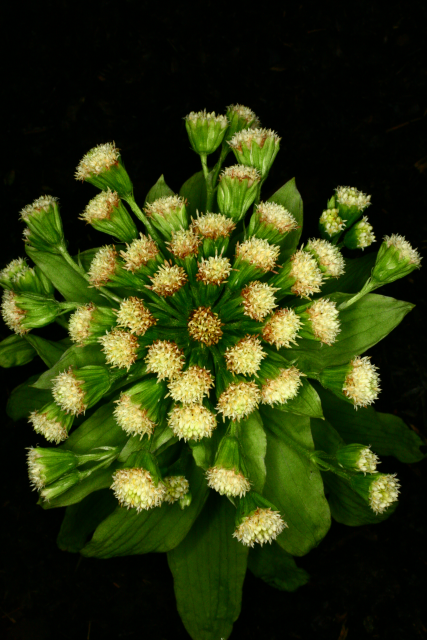
Very fast growing, rhizomatous perennial with kidney-shaped, irregularly toothed, basal leaves, to 80cm (32in) across, hairy beneath, borne on stalks 1m (3ft) long. Densely clustered corymbs of yellowish white flower heads, to 1.5cm across. Dioecious flowers are borne before leaves in late winter and early spring. 1m high by 3m wide.
Sow seed in a cold frame as soon as it is ripe or in early spring. Just cover the seeds lightly with compost and do not allow the seedlings to dry out. Alternatively, divide after flowering.
Asia-Temperate, Western Asia, Turkey
Asia-Temperate, Caucasus, North Caucasus
Asia-Temperate, Caucasus, Transcaucasus
Europe, Northern Europe, Ireland
Europe, Northern Europe, Great Britain
Europe, Middle Europe, Austria
Europe, Middle Europe, Belgium
Europe, Middle Europe, Czech Republic
Europe, Middle Europe, Germany
Europe, Middle Europe, Hungary
Europe, Middle Europe, Netherlands
Europe, Middle Europe, Poland
Europe, Middle Europe, Switzerland
Europe, Eastern Europe, Belarus
Europe, Eastern Europe, Northwest European Russia
Europe, Eastern Europe, Ukraine
Europe, Southeastern Europe, Albania
Europe, Southeastern Europe, Yugoslavia
Europe, Southeastern Europe, Bulgaria
Europe, Southeastern Europe, Greece
Europe, Southeastern Europe, Italy
Europe, Southeastern Europe, Sicilia
Europe, Southeastern Europe, Romania
Europe, Southwestern Europe, France
Europe, Southwestern Europe, Spain
.JPG)
.JPG)