 Back to List
Named for the French botanist and physician, Pierre Magnol (1638-1715), Professor of Botany and Director of the Royal Botanic Gardens at Montpelier. Charles Plumier (1646-1704) named a tree on Martinique after him (Magnolia) and the name was continued by Linnaeus (1753).
Oakeley, Dr. Henry F. (2013). Wellcome Library notes. Link
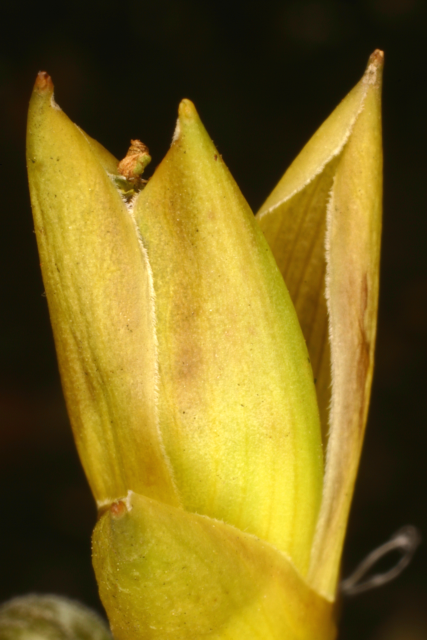
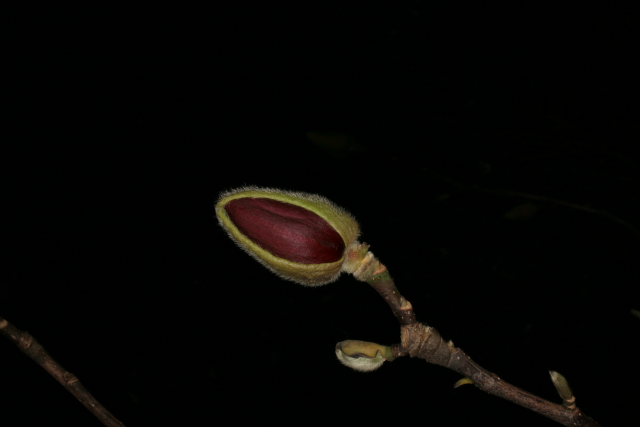
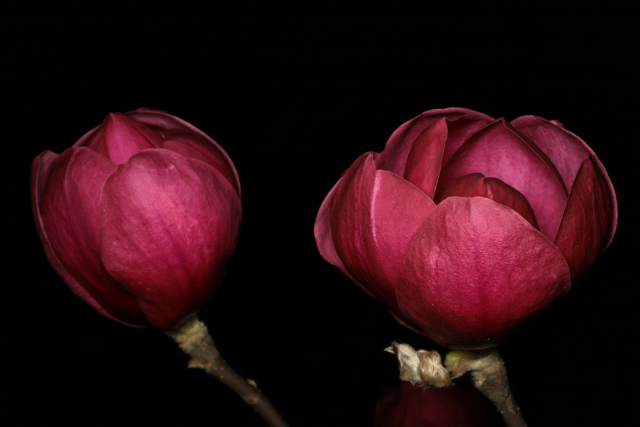
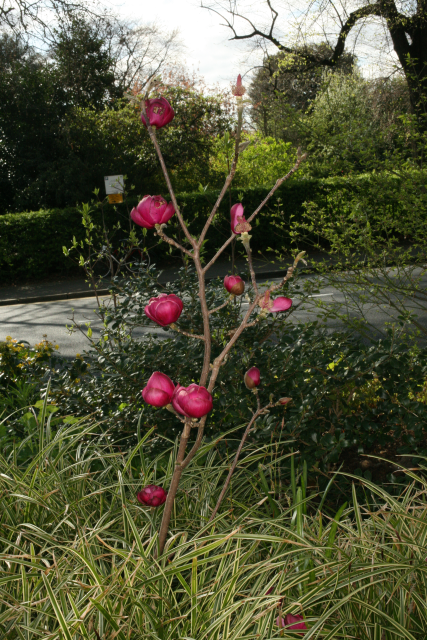
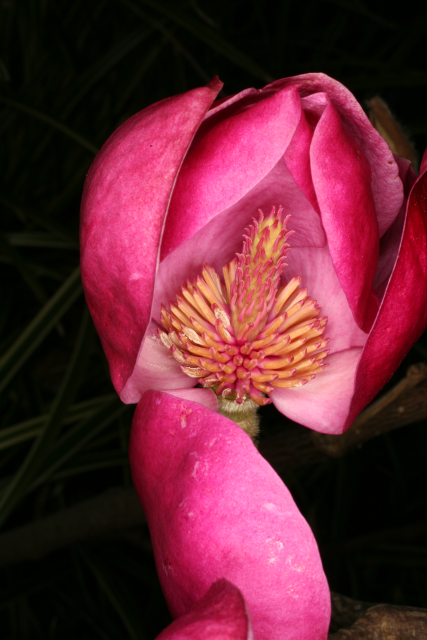
Magnolia Black Tulip = 'Jurmag1' Plant Breeders Rights
RHS Horticultural database https://www.rhs.org.uk/Plants/287492/i-Magnolia-i-FONT-FACE-Times-New-Roman-Black-Tulip-FONT-Jurmag1-sup-(PBR)-sup/Details Link
Magnolia stellata (Siebold & Zuch.) Maxim. Magnoliaceae. Star magnolia. Small flowering tree. Distribution: Japan. Named for the French botanist and physician, Pierre Magnol (1638-1715), Professor of Botany and Director of the Royal Botanic Gardens at Montpelier. Charles Plumier (1646-1704) named a tree on Martinique after him (Magnolia) and the name was continued by Linnaeus (1753). No medicinal use. This is a very ancient genus of flowering plants
Oakeley, Dr. Henry F. (2013). Wellcome Library notes. Link
Magnolia officinalis, origin central China- bark used as tonic in Traditional Chinese Medicine (TCM).
Mabberley, D.J. (1997) The Plant Book, ed.2, Cambridge University Press p.430
Named for Pierre Magnol (1638-1715), professor of botany and director of thebotanic garden , Montpelier, France. Medical degree from University of Montpelier, January 11, 1659.
Stearn, W.T. (1996). Dictionary of Plant Names for Gardeners. Cassell.
Medicinal uses [Magnolia officinalis] Uses supported by clinical data No information was found. Uses described in pharmacopoeias and well established documents Used orally for the treatment of gastrointestinal disorders such as constipation, dyspepsia, gastritis, nausea and vomiting. Also used orally to treat anxiety, coughs and shortness of breath (2). Uses described in traditional medicine Treatment of allergic rhinitis, headache, lack of appetite, respiratory Contraindications Hypersensitivity or allergy to the plant material.
From WHO Monographs on Selected Medicinal Plants Vol 4 2005, WHO Geneva
.jpg)