 Back to List
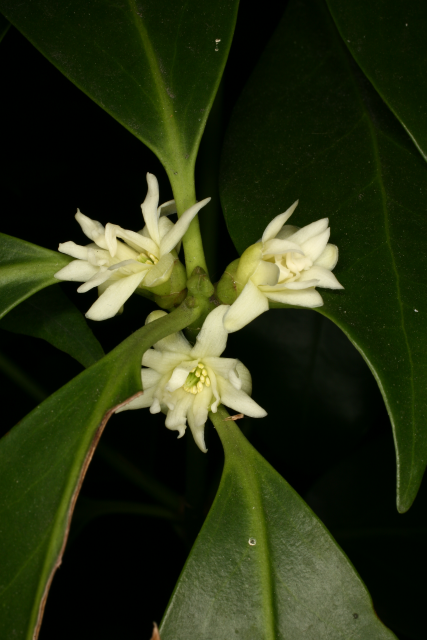
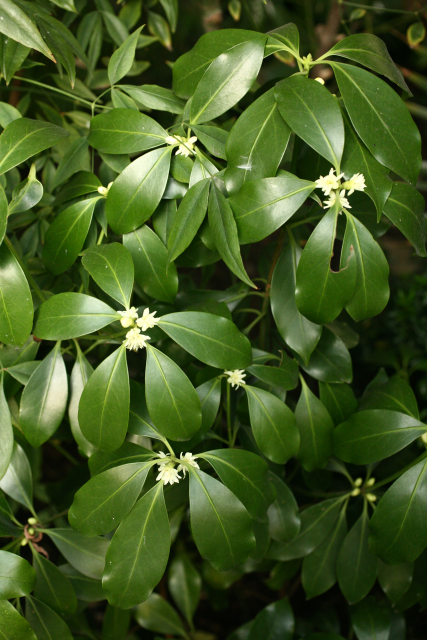
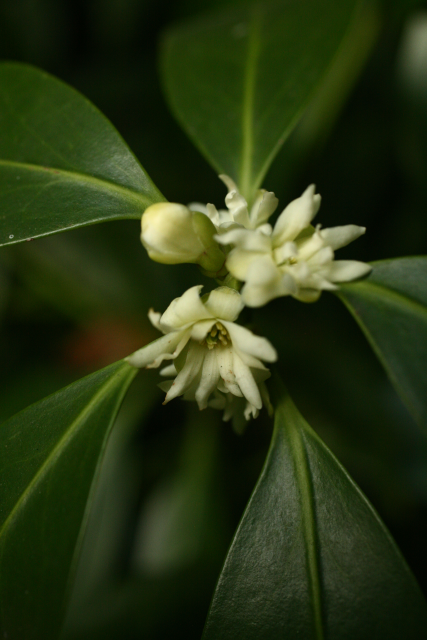
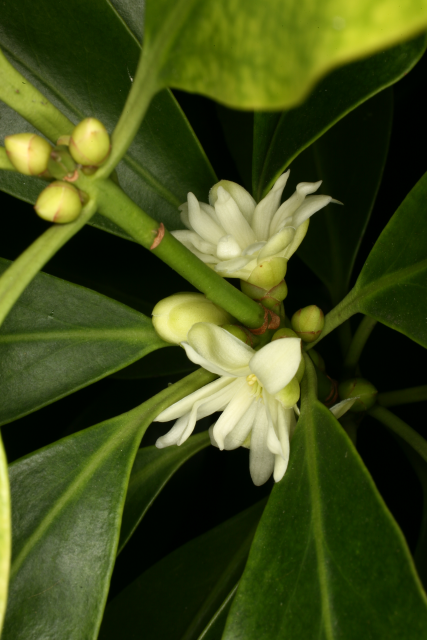
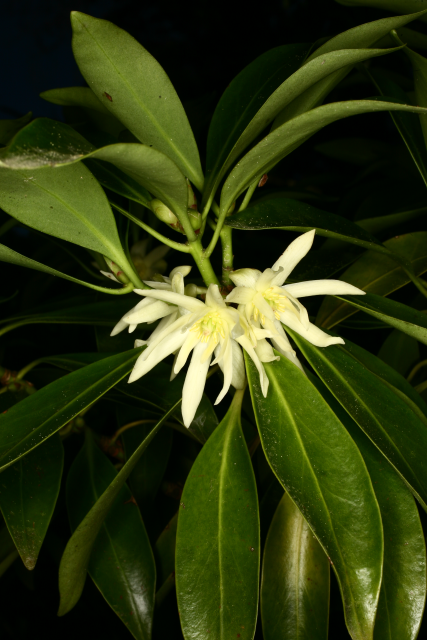
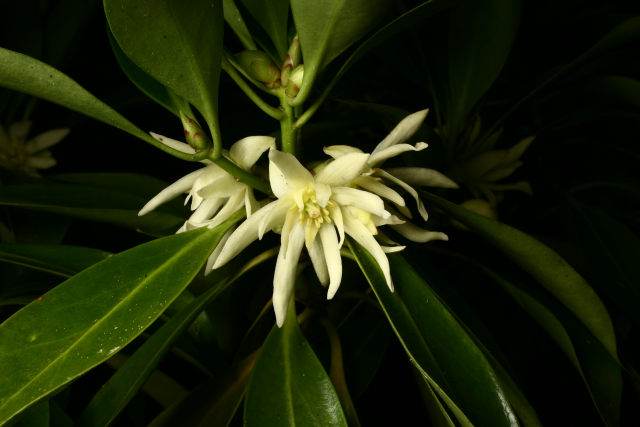
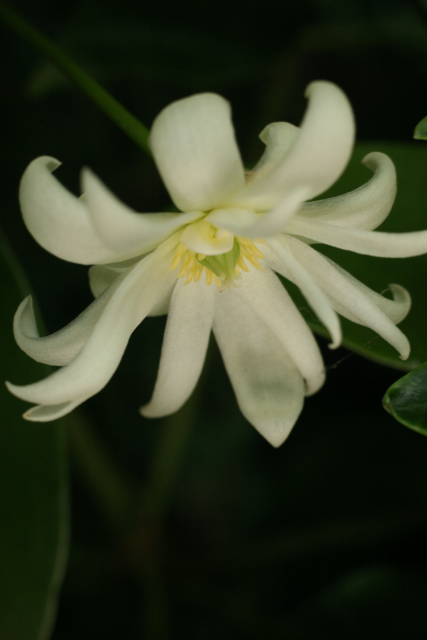
Not fragrant. Flowers 2.5 - 2.75 cm diameter, crowed in axils.Foliage aromatic.
RHS. (1999). Dictionary of Gardening, RHS. Huxley, T
Toxic seeds used to kill fish
Mabberley, D.J. (1997) The Plant Book, ed.2, Cambridge University Press p 360
Effects of taking Ilicium anisatum tea include epilepsy, vomiting, shakiness and rapid eye movements (US Food and Drug Administration report, 2003).
Oakeley, Dr. Henry F. (2013). Wellcome Library notes. Link
Toxic
Professor Anthony Dayan, 2022
Illicium anisatum and Illicium verum are so dangerously similar in appearance that the easiest way for the non-botanist to distinguish the two is to note their native distribution (respectively Japan, South Korea and Taiwan; south-east China and Vietnam). Both species have pale bark and glossy, green, leathery leaves of similar lanceolate shape, many-petalled yellowish flowers and the same distinctive star-shaped seed heads. Both are borderline hardy and like a sheltered spot in moist acid woodland soil, where I. verum can grow to 18 m (twice the size of I. anisatum).
Royal college of Physicians, . (2023). Modern Medicines from Plants growing in the RCP garden. Booklet. Royal College of Physicians. p.28
Illicium anisatum L. Illiciaceae Japanese Star Anise. Distribution Japan. This was also called Illicium religiosum and the fruits are toxic. Effects of taking Ilicium anisatum tea include epilepsy, vomiting, shakiness and rapid eye movements (US Food and Drug Administration report, 2003). Lindley (1838) and Bentley (1861) thought that I. anisatum was used in cooking, but they were describing the uses of I. verum which is used as a spice in Asia. Illicium anisatum syn. religiosum is 'used to make incense in Japanese and Chinese temples and was called Skimi by Kaempfer. This derives from the Japanese word 'shi-kimi'. The seed pods of both species contain shikimic acid (the name being derived from the Japanese) from which Tamiflu, the antiviral drug was synthesised.
Oakeley, Dr. Henry F. (2013). Wellcome Library notes. Link
The star-shaped seed pods give these two plants their common name, but they are very different. Illicium anisatum, Japanese star anise, contains nasty neurotoxins. It should not be confused with Illicium verum, Chinese star anise, a culinary spice also used to make star anise tea. Illicium seed pods (mostly from I. verum) contain shikimic acid from which ‘Tamiflu’ (oseltamivir), a treatment for bird and swine flu, is made. Neither extracts from the plants nor shikimic acid itself have any effect as antiviral agents. These plants are also the source of an anti-cancer treatment that is an angioneogenesis inhibitor (ie it stops the production of the blood supply to the tumour). This property is also used to prevent the little tubes, the ‘stents’ that are used to open up blocked coronary arteries, from clogging up. The stent is impregnated with the chemical and this leaches out slowly, acting like anti-fouling paint and so preventing the coronary artery lining from growing inside the stent
Oakeley, Dr. Henry. (2011). A Year in the Medicinal Garden of the Royal College of Physicians, revised edition. Royal College of Physicians, London. Link
Branches used to decorate Buddhist graves.
Mabberley, D.J. (1997) The Plant Book, ed.2, Cambridge University Press p.360
Japanese Star Anise; Illicium religiosum; shi-kimi . Illicium comes from the Latin for Allurement, referring to the aromatic scent, anisatum indicating a scent like anise.
Family change from Illiciaceae
Plants of the World online, Kew Science http://plantsoftheworldonline.org/taxon/urn:lsid:ipni.org:names:554492-1 Link
Used medicinally locally.
Mabberley, D.J. (1997) The Plant Book, ed.2, Cambridge University Press p.360
Viral neuraminidase inhibitor. The seed capsules (star anise)contain shikimic acid, from which oseltamivir (Tamiflu) was synthesised, for treating bird flu, swine flu and influenza A & B..
Oakeley, Dr. H.F. (2013). Medicines from RCP plants label list 5-2013.docx.
Illicium anisatum (Japanese star anise) and the closely related species Illicium verum (Chinese star anise) both contain shikimic acid, which has been used in the synthesis of the anti-influenza medication oseltamivir (Tamiflu). Oseltamivir inhibits a viral enzyme, neuraminidase, which is needed for the influenza virus to replicate. If taken soon after the start of symptoms, it can shorten the duration of fever and illness by up to 30 hours. It can also, however, cause nausea and vomiting, and very rarely can have adverse effects on the heart, liver, skin and nervous system. In other respects, the two Illicium plants are not interchangeable. Whereas the seeds of Chinese star anise have a long history of safe use in Chinese cookery and traditional medicine, those of Japanese star anise are poisonous, for they contain neurotoxins that inhibit the action of the neurotransmitter γ-aminobutyric acid (GABA). The accidental use of Japanese star anise in cooking can be fatal.
Royal college of Physicians, . (2023). Modern Medicines from Plants growing in the RCP garden booklet. Royal College of Physicians. p.28
Asia-Temperate, Eastern Asia, Japan
Asia-Temperate, Eastern Asia, Korea
Asia-Temperate, Eastern Asia, Taiwan