
 Back to List
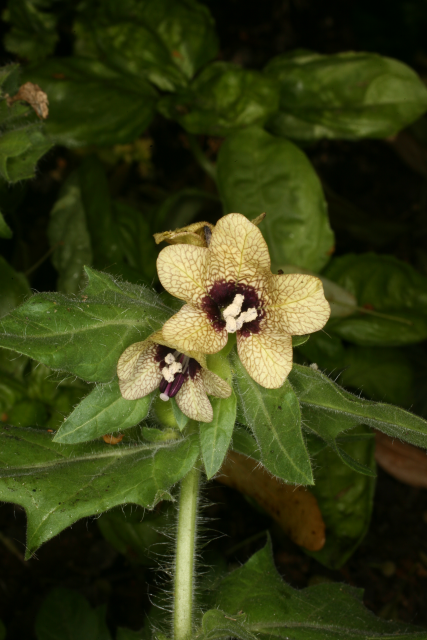
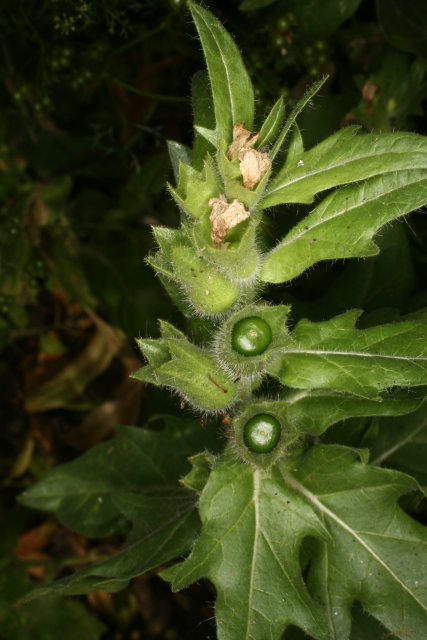
Black henbane (also known in past centuries as apollinaris and fabasuilla) was recognised by Johnson and Lyte as being poisonous, and while alleviating pain, caused sleep that could be fatal both if drunk or if the skin was washed with a decoction of it. The ability for poisons in plants to be absorbed through the skin is little known in this modern age. Hyoscyamus species contain the same tropane alkaloids as Atropa belladonna, deadly nightshade, and give their name to hyoscyamine and hyoscine, the latter used as a premedication before surgical operations. Used in a poultice it appears to have a local analgesic effect. It was recommended for gout, mastalgia, sore eyes and ureteric stones, but the dangers of it and its merely temporary benefits were well known. Only Dioscorides, Galen (according to Fuchs who reports this) and Turner recognised that it could cause madness (by which they must be referring to the hallucinations it can cause) and advised against its use. Turner recommended smoking the leaves for a cough. The yellow henbane, Hyoscyamus luteolus, of Lobel is Nicotiana rustica and not the yellow-flowered Hyoscyamus albus.
Oakeley, Dr. Henry. (2011). A Year in the Medicinal Garden of the Royal College of Physicians, revised edition. Royal College of Physicians, London. p.79 Link
Notes by Henry Oakeley from Lindley's 'Flora Medica' (1838): Henbane, derived from the Anglo-Saxon word for ‘killer of hens’, is the source of the atropinic-like alkaloid hysocine (also called scopolamine). Like many medicines, especially those derived from the Solanaceae family to which it belongs, it is dangerous in overdose. It is used as a premedication prior to anaesthesia as it dries up bronchial secretions, is sedative, anti-emetic and causes a tachycardia that counteracts the bradycardia induced by some anaesthetic agents. It may cause excitement and hallucinations, similar to atropine. In medicine today it is given by injection, but in the past, like Datura, the leaves were smoked as a tobacco substitute. Lindley noted all of this, writing ‘A powerful narcotic, the capsules and seeds of which, smoked like Tobacco, are a rustic remedy for toothache, but convulsions and temporary insanity [viz confusion and hallucinations] are said to be sometimes the consequence of their use. Used medicinally the leaves produce effects very similar to those of opium. It is employed with advantage in ... painters’ colic [it reduces smooth muscle contractions] and mania [it is sedative]... the infusion dropped into the eyes dilates the pupil like Belladona [Atropa belladonna, Deadly Nightshade]’. Datura cigars were smoked to treat asthma in the early years of the NHS.
Lindley, John. (1838). Flora Medica, Longman, Orme, Brown, Green & Longmans
It was used to flavour German pilsner beers until this was made illegal in 1516
http://en.wikipedia.org/wiki/Henbane
Prescription only medicine: atropine, scopolamine
Acetylcholine antagonists. Contain atropine and scopolamine, used to dilate the pupil; speed up the heart; dry up saliva and gastric secretions, and to treat organophosphorous and mushroom poisoning & motion sickness.
Oakeley, Dr. H.F. (2013). Medicines from RCP plants label list 5-2013.docx.
This is a member of the family Solanaceae, and both Atropa belladonna and Hyoscamus niger contain the atropinic alkaloids, hyoscine/scopolamine. This is still used as a premedication prior to surgery as it causes sedation, a degree of amnesia, and is anti-emetic. It also produces a dry mouth and a slow pulse (unlike atropine), but in larger doses hallucinations, coma and death. In the elderly especially it may cause excitement and confusion. Dioscorides (Materia Medica, c. 100 AD) has more information on its sedative and analgesic properties: ‘Ye juice being drunk ... doth expel upward phlegm and black choler ... but being too much drank it drives out life.’ and ‘that there be given of it ... to such as shall be cut, or cauterised ... for they do not apprehend the pain, because they are overborn with dead sleep.’ It is interesting to see that the use of hyoscine/scopolamine has continued for two millennia for the same purpose.
Oakeley, Dr. H. F. (2013). The Gardens of the Pharmacopoeia Londinensis.
Other common names: Belen; Black Henbane; Chenile; Common Henbane; Devil's Eye; Fetid Nightshade; Hog Bean; Insane Root; Loaves of Bread; Poison Tobacco; Stinking Nightshade.
The Royal Horticultural Society Horticultural Database, available at www.rhs.org.uk
Tropane alkaloids.
Professor Anthony Dayan, 2021
Africa, Northern Africa, Algeria
Africa, Northern Africa, Morocco
Africa, Northern Africa, Tunisia
Asia-Temperate, Caucasus, North Caucasus
Asia-Temperate, Caucasus, Transcaucasus
Asia-Temperate, China
Asia-Temperate, Middle Asia, Kazakhstan
Asia-Temperate, Middle Asia, Kyrgyzstan
Asia-Temperate, Middle Asia, Tadzhikistan
Asia-Temperate, Middle Asia, Turkmenistan
Asia-Temperate, Siberia
Asia-Temperate, Western Asia, Afghanistan
Asia-Temperate, Western Asia, Iran
Asia-Temperate, Western Asia, Iraq
Asia-Temperate, Western Asia, Lebanon-Syria
Asia-Temperate, Western Asia, Turkey
Asia-Tropical, Indian Subcontinent, India
Asia-Tropical, Indian Subcontinent, Nepal
Asia-Tropical, Indian Subcontinent, Pakistan
Europe, Eastern Europe, Baltic States
Europe, Eastern Europe, Belarus
Europe, Eastern Europe, North European Russia
Europe, Eastern Europe, Northwest European Russia
Europe, Eastern Europe, South European Russia
Europe, Eastern Europe, Ukraine
Europe, Middle Europe, Austria
Europe, Middle Europe, Belgium
Europe, Middle Europe, Germany
Europe, Middle Europe, Hungary
Europe, Middle Europe, Netherlands
Europe, Middle Europe, Poland
Europe, Middle Europe, Slovakia
Europe, Middle Europe, Switzerland
Europe, Northern Europe, Denmark
Europe, Northern Europe, Ireland
Europe, Northern Europe, Sweden
Europe, Northern Europe, Great Britain
Europe, Southeastern Europe, Albania
Europe, Southeastern Europe, Bulgaria
Europe, Southeastern Europe, Czech Republic
Europe, Southeastern Europe, Greece
Europe, Southeastern Europe, Italy
Europe, Southeastern Europe, Romania
Europe, Southeastern Europe, Yugoslavia
Europe, Southwestern Europe, France
Europe, Southwestern Europe, Portugal
Europe, Southwestern Europe, Spain
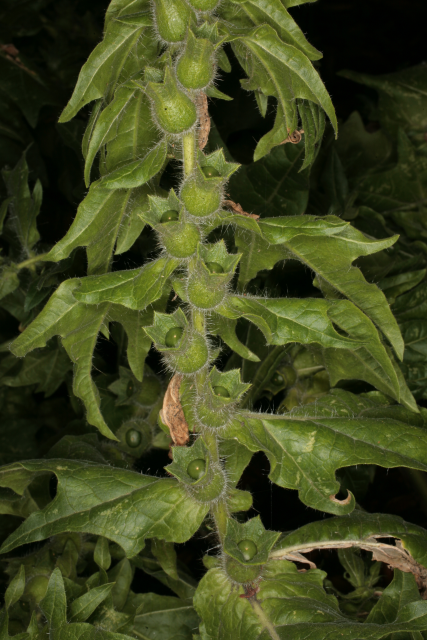
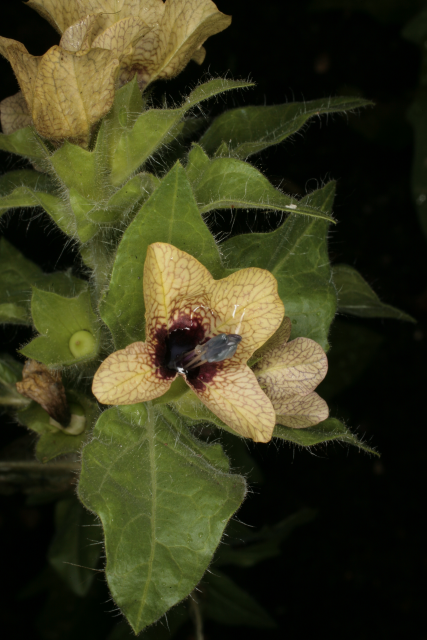
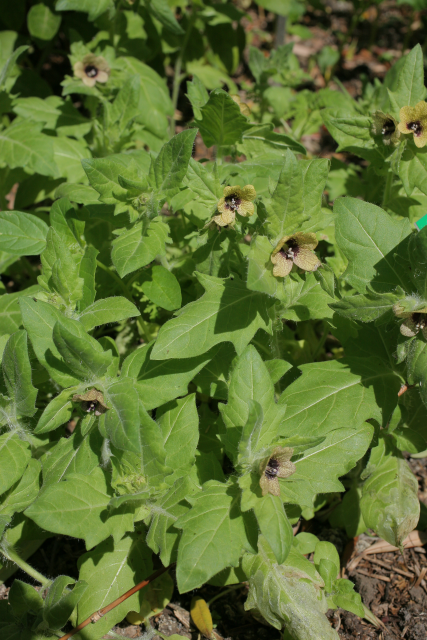
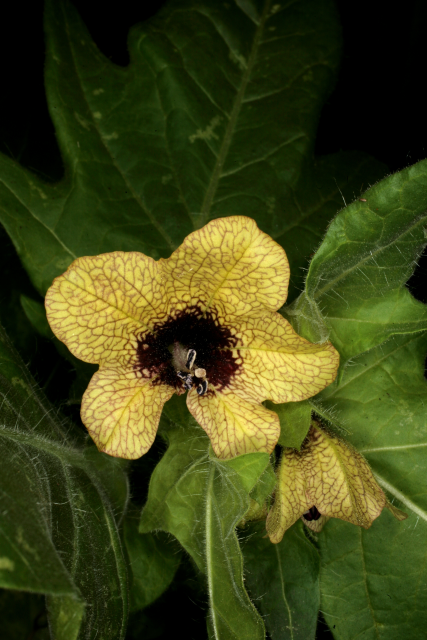
.JPG)