 Back to List
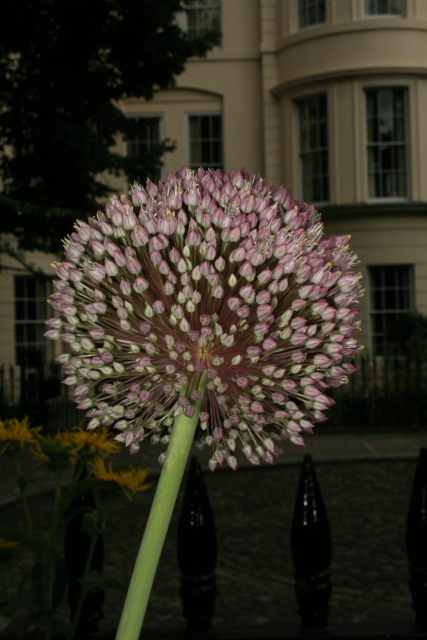
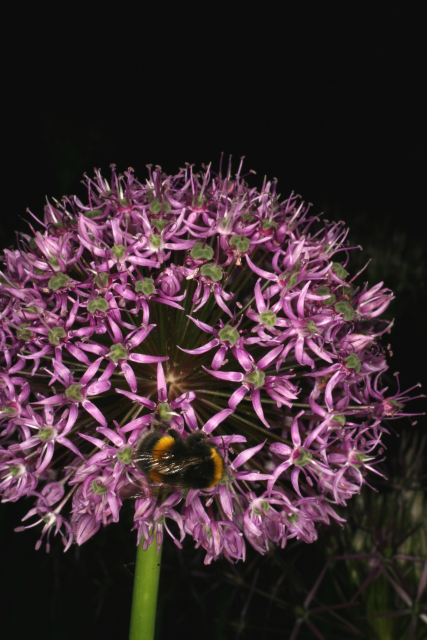
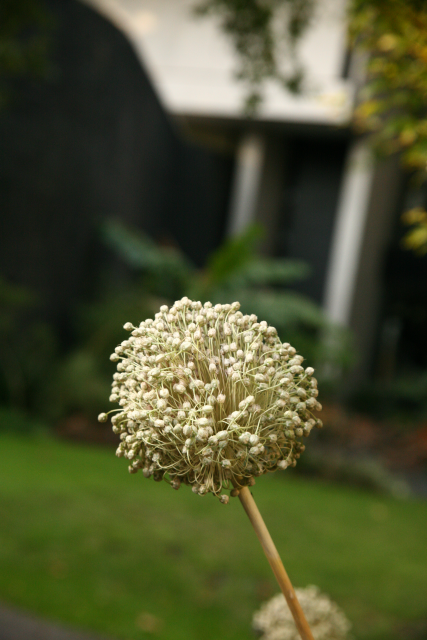
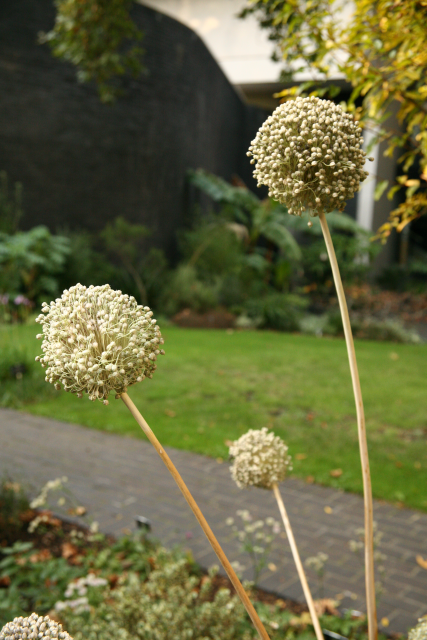
Syn. = Allium sativum 'Elephant'
Family changed from Alliaceae to Amaryllidaceae 13/11/2023
http://powo.science.kew.org/
' the herbe Ampeloprasos... great power against the sting of serpents ... It provoketh urine and women's monthly terms, ... it is passing good for them that pisse bloud ... midwives give it to women newly delivered ... [and good for people] bitten by mad dogs' [Pliny 70 AD]
Pliny Secundus (1634) Natural Historie , trans by Philemon Holland, Book 2: p.199
A pectoral medicine as 'Syrupus ex Allio' for chest complaints
James, R. (1752). Pharmacopoeia Universalis or a New Universal Dispensatory 2nd edit.,. London, J. Hodges. page 518
There is a video by Dr Henry Oakeley
Videos from the garden Link
The juice of the plant is used as a moth repellent. The whole plant is said to repel insects and moles.
http://www.pfaf.org,
Pungeent taste and smell and lachrymatory properties due mainly to release of reactive sulphenic acid derivatives, especially allicin, by fast hydrolysis when plant injured. Mechansim and compounds common to many other species of Allium
Block E 2010 Garlic and other Alliums; the Lore and the Science. RSC Publishing , London. Brewster JL 2008 Onions and Other Vegetable Alliums. 2nd ed. CABI, Wallingford, UK

.JPG)

.JPG)