
 Back to List
Medieval times extracts used for gout, rheumatism, skin disorders and malaria. In ancient Greece used for woulds, jaundice and intoxication (Dioscorides).
Wink, Michael & Ben-Erik van Wyk (2008). Mind-Altering and Poisonous Plants of the World. Timber Press p.73
Wood is hardest of British trees. Used in rulers, musical instruments, inlay since ancient Egyptians (combs, flutes, furniture, lyres)
Mabberley, D.J. (1997) The Plant Book, ed.2, Cambridge University Press p.110
The use of box to make topiary hedges and sculptures 'is said to have originated with an acquaintance of Julius Caesr'.
Montague-Drake, Blair. (1977). A Biblical Herbal. Earth Images, Australia. p.35
All parts of the plant are poisonous, especially the leaves and bark.
Plants for a Future (2015) at www.plantsforafuture.org.uk http://www.pfaf.org/user/Plant.aspx?LatinName=Buxus+sempervirens
Contact with the sap may cause skin irritation. Ingestion causes vomiting and diarrhoea. Poisonous to animals.
Professor Anthony Dayan, 2022
Africa, Northern Africa, Algeria
Africa, Northern Africa, Libya
Africa, Northern Africa, Morocco
Asia-Temperate, Caucasus, Transcaucasus
Asia-Temperate, Western Asia, Iran
Asia-Temperate, Western Asia, Turkey
Europe, Middle Europe, Austria
Europe, Middle Europe, Belgium
Europe, Middle Europe, Germany
Europe, Middle Europe, Switzerland
Europe, Northern Europe, Great Britain
Europe, Southeastern Europe, Albania
Europe, Southeastern Europe, Yugoslavia
Europe, Southeastern Europe, Greece
Europe, Southeastern Europe, Italy
Europe, Southwestern Europe, France
Europe, Southwestern Europe, Portugal
Europe, Southwestern Europe, Spain
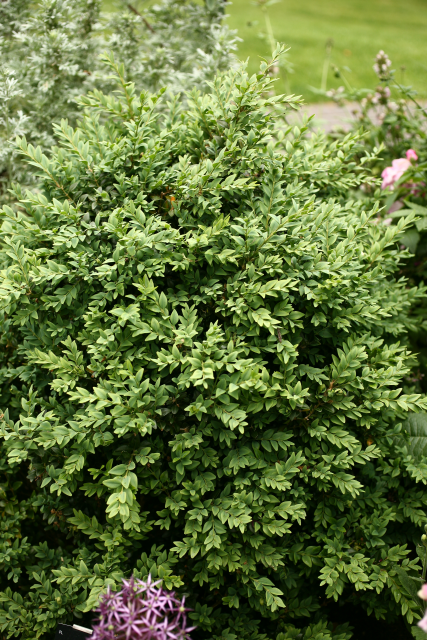
.JPG)
.JPG)