 Back to List
All species of Ranunculaceae are poisonous, containing protoanemonin, which causes blistering if sap gets on the skin and indigestion if ingested.
Oakeley, Dr. Henry F. (2013). Wellcome Library notes. Link
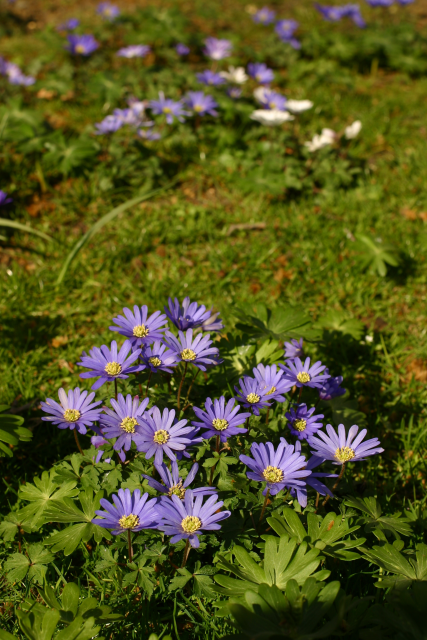
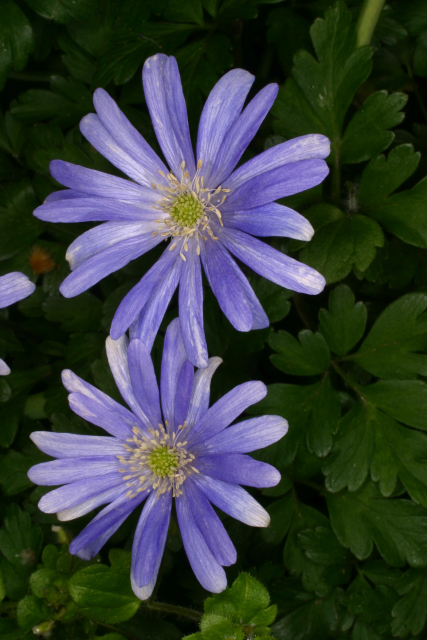
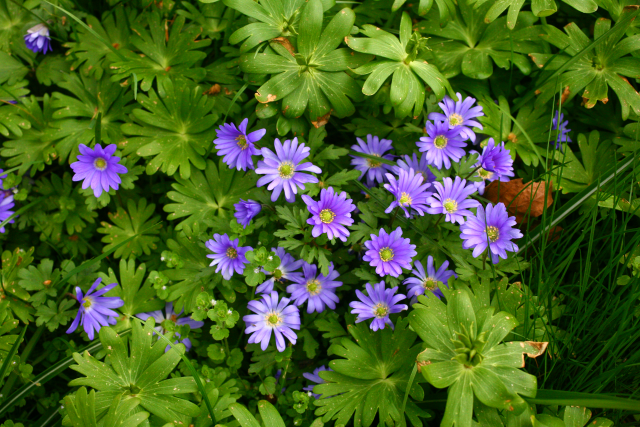
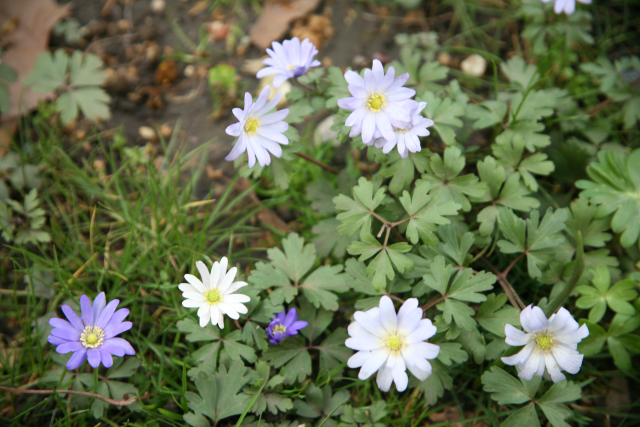
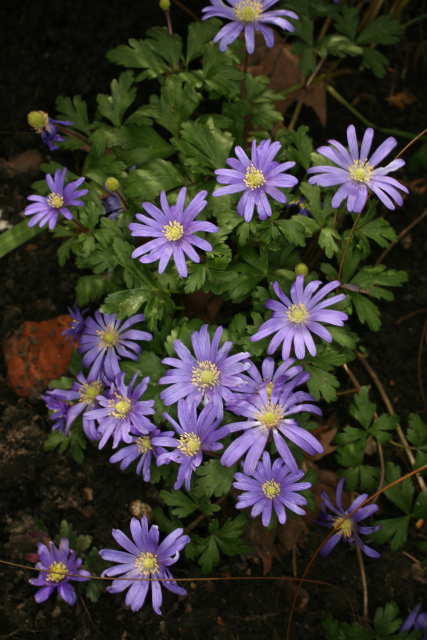
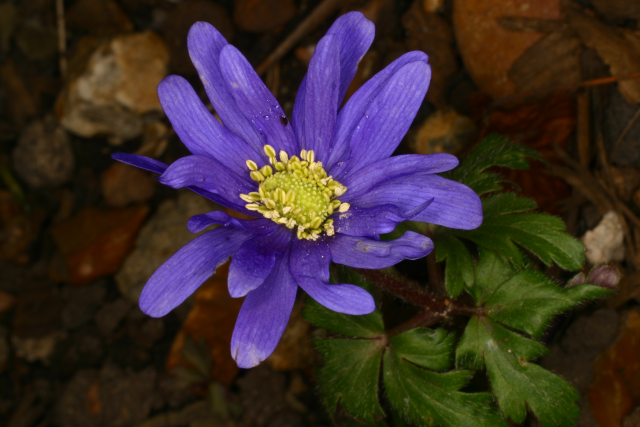
Anemone blanda Schott & Kotschy, Ranunculaceae. Grecian windflower. Genus name may derive from Greek for wind, blanda being Latin for mild or pleasing. Perennial tuberous herb. Distribution SE Europe, Turkey, Lebanon, Syria. Not described until 1854 so no early herbal records under this name. However all species of Ranunculaceae are poisonous, containing protoanemonin, which causes blistering if sap gets on the skin and indigestion if ingested.
Oakeley, Dr. Henry F. (2013). Wellcome Library notes. Link
Anemone blanda is a synonym.
http://www.plantsoftheworldonline.org/
Asia-Temperate, Western Asia, Lebanon-Syria
Asia-Temperate, Western Asia, Turkey
Europe, Southeastern Europe, Albania
Europe, Southeastern Europe, Bulgaria
Europe, Southeastern Europe, Greece
.jpg)