 Back to List
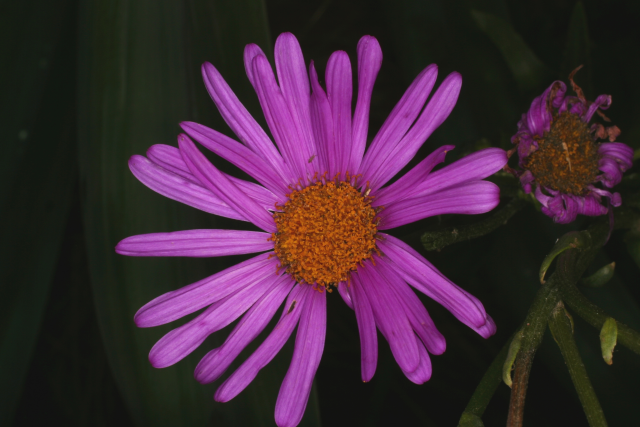
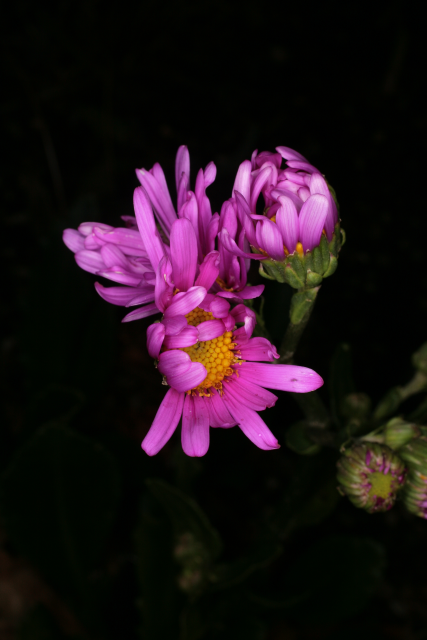
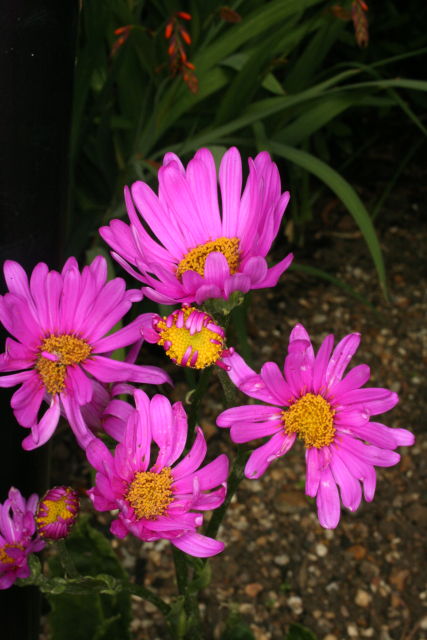
Senecio pulcher Hook.&Arn. Asteraceae Distribution: South America. It has not attracted attention as a medicinal or toxic plant but members of the genus Senecio contain pyrrolizidine alkaloids that are toxic to the liver and may cause liver cancer. A traditional Chinese medicine (TCM) product, Qianbai Biyan Pian, contains Senecio scandens which contains the unsaturated pyrrolizidine alkaloids, senecionine and seneciphylline. This is now a banned drug. (Safety of Herbal Medicinal Products, July 2002, Medicines Control Agency).
Oakeley, Dr. Henry F. (2013). Wellcome Library notes. Link
The genus specialising in producing pyrrolozidines which act as alkylating agents and produce necrosis and giant cell formation in the central area of the liver, causing veno-occlusive disease. Beetles and caterpillars which eat them become poisonous and, eg the Burnet moth, have red and black or red, black and white colouration which are warning colours to possible predators.
Ball, P A J . (1981). Plants, their predators and the physician. Journal of the Royal College of Physicians, London. page 6
Senecio species contain Ridelliine, a pyrrolizidine alkaloid, that is genotoxic and carcinogenic and senecionine which is genotoxic and only probably carcinogenic.
van den Berg, S.J.P.L., Restani, et al., P.. (2011). Levels of Genotoxic and Carcinogenic Compounds in Plant Food Supplements and Associated Risk Assessment. Food and Nutrition Science 2: 989-1010. Link
Southern America, Brazil
Southern America, Southern South America, Argentina Northeast
Southern America, Southern South America, Uruguay