 Back to List
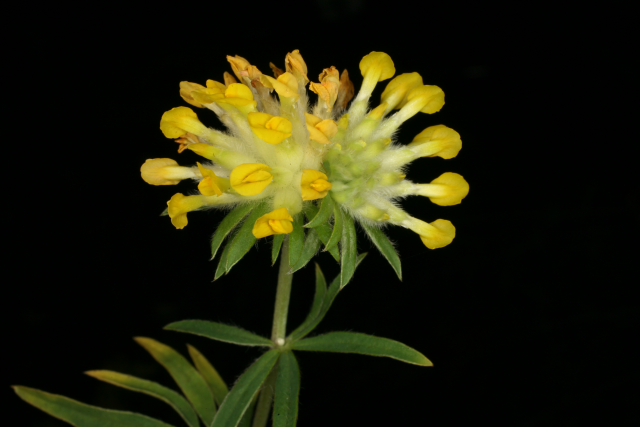
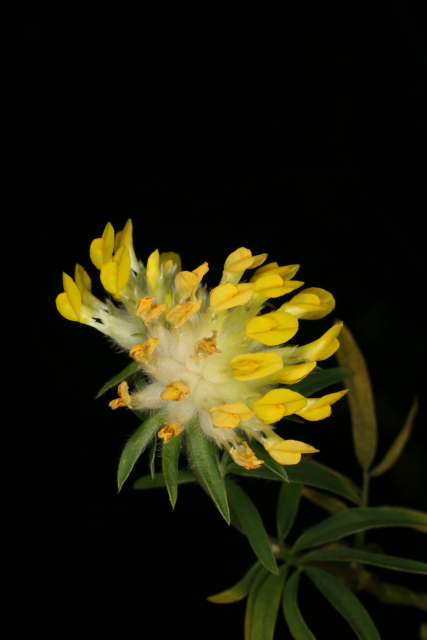
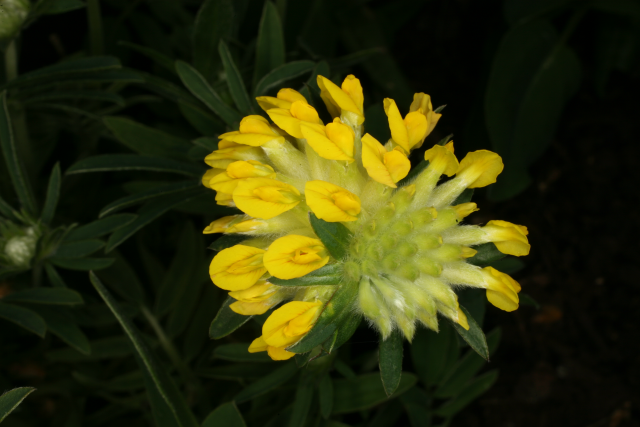
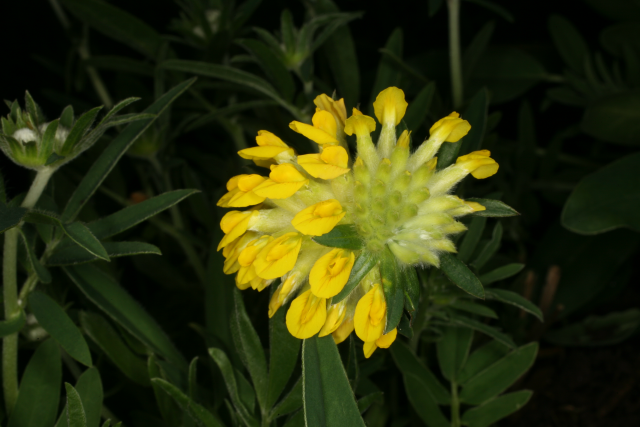
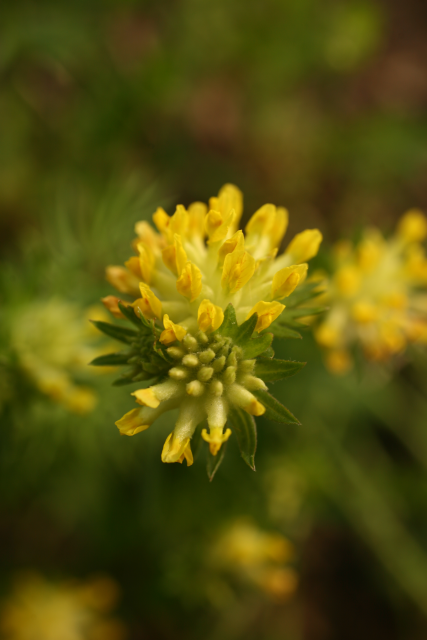
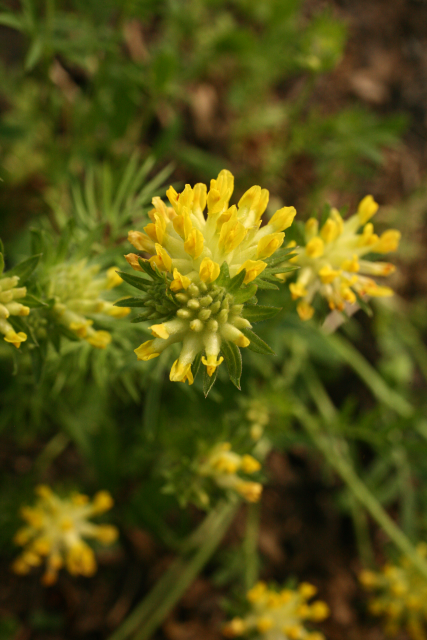
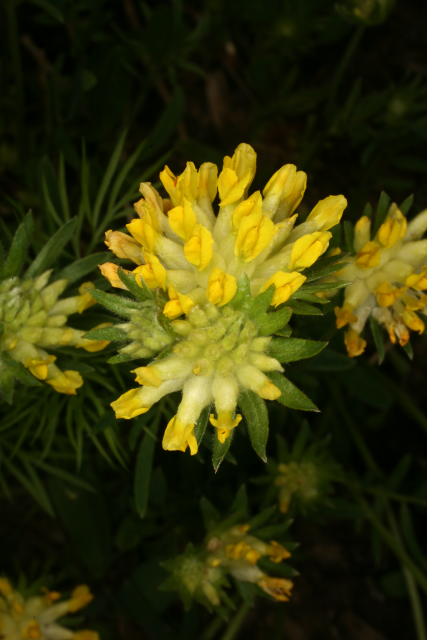
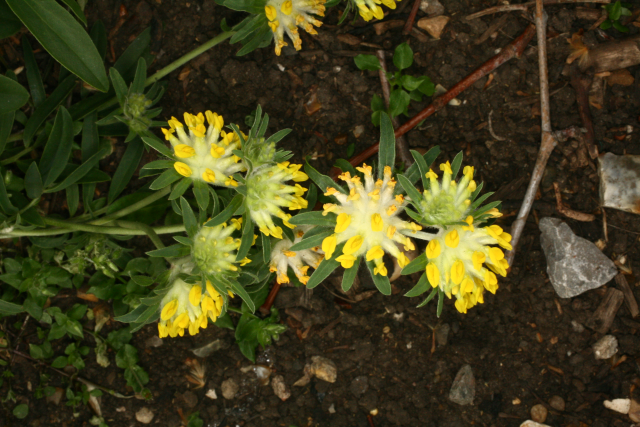
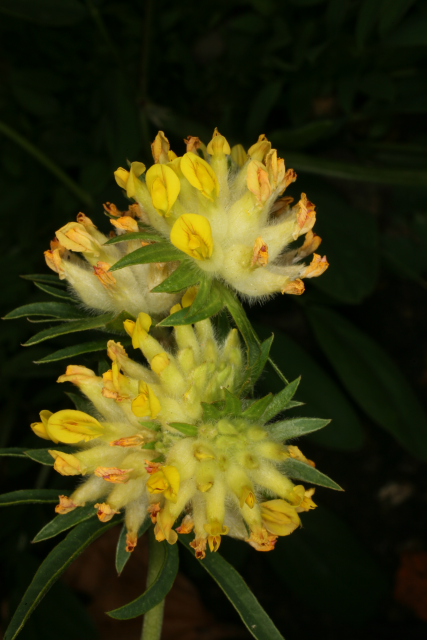
Anthyllis vulneraria L. Fababaceae. Kidney vetch, woundwort. 'vulneraria' means 'wound healer'; 'wort' has been used in England since the 9th century to mean root or plant. Parkinson (1640) notes Anthylis prior and Anthyllis lentisimilis (Dodoens); Anthyllis leguminosa (Lobel, Clusius); Lagopodium (Tabermontanus); Arthetica wundkraut Saxonum (Thalius); Vulneraria rustica (Gesner); and several more names from different authors. Small herb. Distribution: Europe to Iran and North Africa. The hairy flowers and leaves would act, like cotton wool, to promote platelet clotting. Parkinson (1640) notes it as Anthyllis leguminosa vulgaris writing ' ... much use among the Germans for their wonds and hurts, inward and outward, so doe both wayes apply them, whence their name: Thalius [said] it was used for the gout' .
Oakeley, Dr. Henry F. (2013) Wellcome Library notes.
Anthyllis vulneraria is being used to clear up contaminated mine sites as it can absorb zinc, lead and camium from mine tilings where the metal concentrations are 500 times higher than European standars allow, storing up to 8% by weight in vacuoles in their leaves. It has no modern medical use.
Oakeley, Dr. Henry F. (2013). Wellcome Library notes. Link
Family name change from Papilionaceae.
Plants of the World online, Kew Science https://powo.science.kew.org/taxon/urn:lsid:ipni.org:names:474795-1 Link
Family name change from Leguminosae.
http://www.plantsoftheworldonline.org/
Africa, Northeast Tropical Africa, Ethiopia
Africa, Northern Africa, Algeria
Africa, Northern Africa, Egypt
Africa, Northern Africa, Morocco
Africa, Northern Africa, Tunisia
Asia-Temperate, Caucasus, North Caucasus
Asia-Temperate, Caucasus, Transcaucasus
Asia-Temperate, Western Asia, Iran
Asia-Temperate, Western Asia, Israel
Asia-Temperate, Western Asia, Lebanon-Syria
Asia-Temperate, Western Asia, Turkey
Europe, Eastern Europe
Europe, Middle Europe
Europe, Northern Europe
Europe, Northern Europe, Great Britain
Europe, Southeastern Europe
Europe, Southwestern Europe